
It’s the tenth anniversary of the Christchurch earthquake today. 185 people died. I have written about my experience of the earthquake on this blog and so to avoid repeating myself I will simply link to that old post – my experience of the Christchurch 2011 earthquake.
It changed our lives in so many ways. The reason we now live in Scotland is really a direct result of the earthquakes. The earthquakes also paved the way for me to restart my career after taking time away from work to raise children. I started this WordPress blog to help deal with my anxiety and that led me to a job at Automattic, makers of WordPress.com, which eventually led to where I am now as a product manager for Creative Force. I’m pretty happy with both my job and where I live so you could say lots of good things came from my experience in Christchurch although I didn’t think that at the time.
I don’t think of the Christchurch earthquake as a single event on a single day. It was really a sequence of many thousands of earthquakes which started in the wee hours of the morning on 4th September 2010. I have also written about that event – September 4th 2010.
The September 4th event is what really changed my life. I became very frightened of aftershocks because they were so frequent and some were big indeed: it was the aftershock on February 2011 that was fatal. Earthquakes are unlike other natural disasters which come with prior warning and tend to be a single event with a clear start and end. You can’t really begin the healing process when the disaster is still ongoing and that’s what made Christchurch so hard. When would it end? Would the next aftershock be bigger? What if I’m separated from my children? I do think it was extra challenging having a baby to care for. Elizabeth was just 9 months and Daniel was 3. You worry about many things when you become a mother and this was compounded exponentially with so many aftershocks. It probably didn’t help that we had no family in the city.
Ten years have passed and I don’t think about the earthquakes much now. I no longer skip a heart beat when a bus or truck passes the house and I live quite happily in a 3-story stone building. I’ll probably never visit Japan or California or any at-risk city for the rest of my life. I think I’ve experienced enough earthquakes now to last several lifetimes: been there, done that, no thanks.
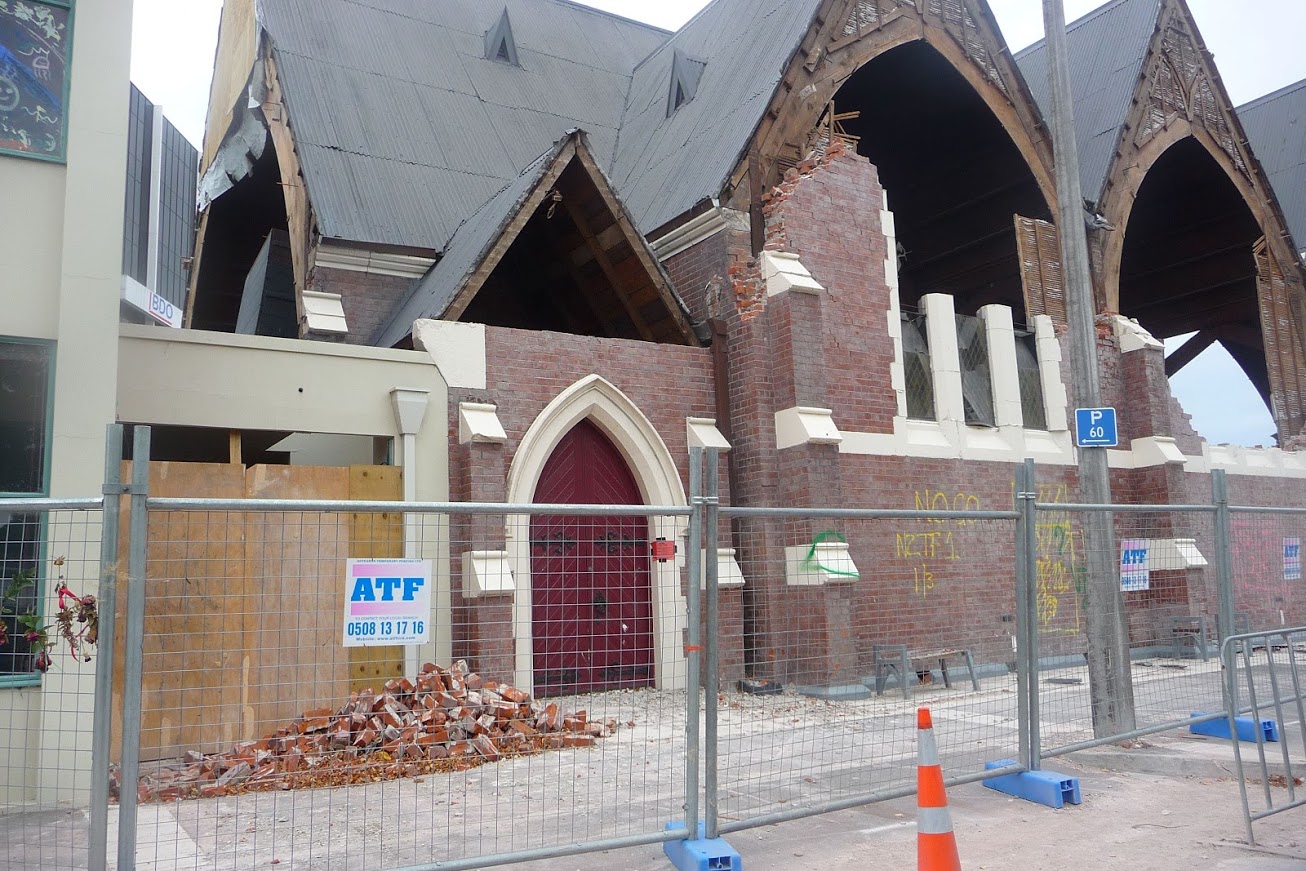
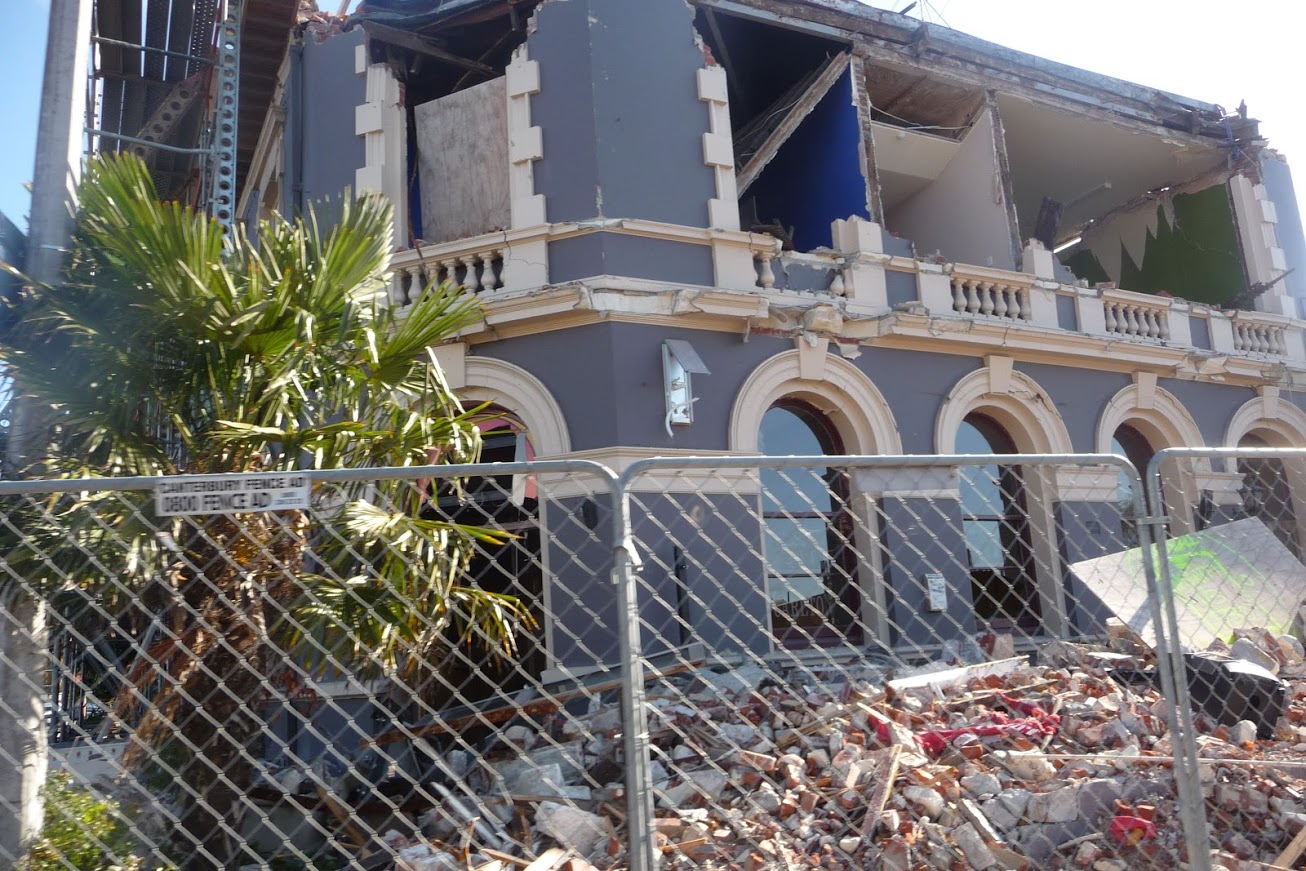
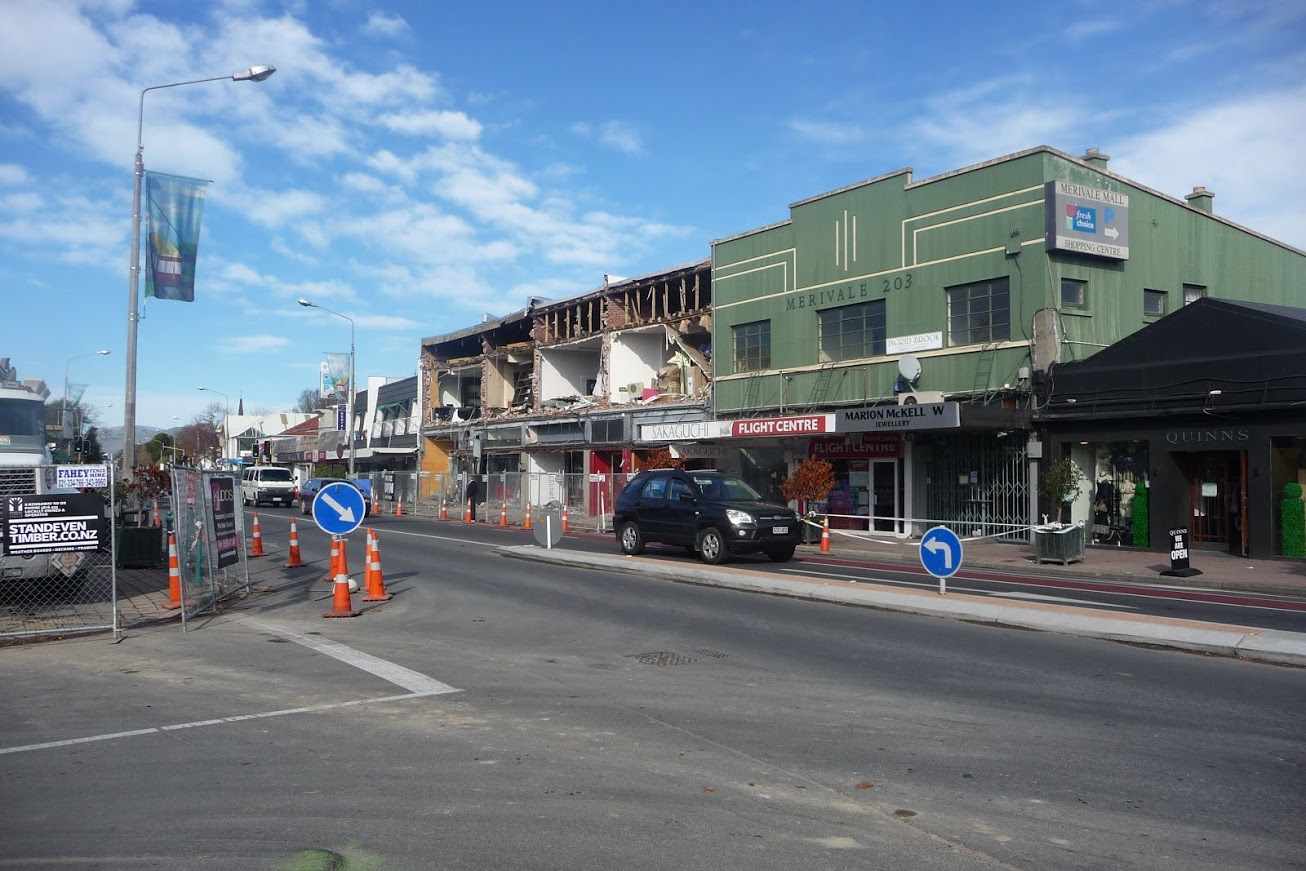
Here are some photos I took of Christchurch after the earthquakes.




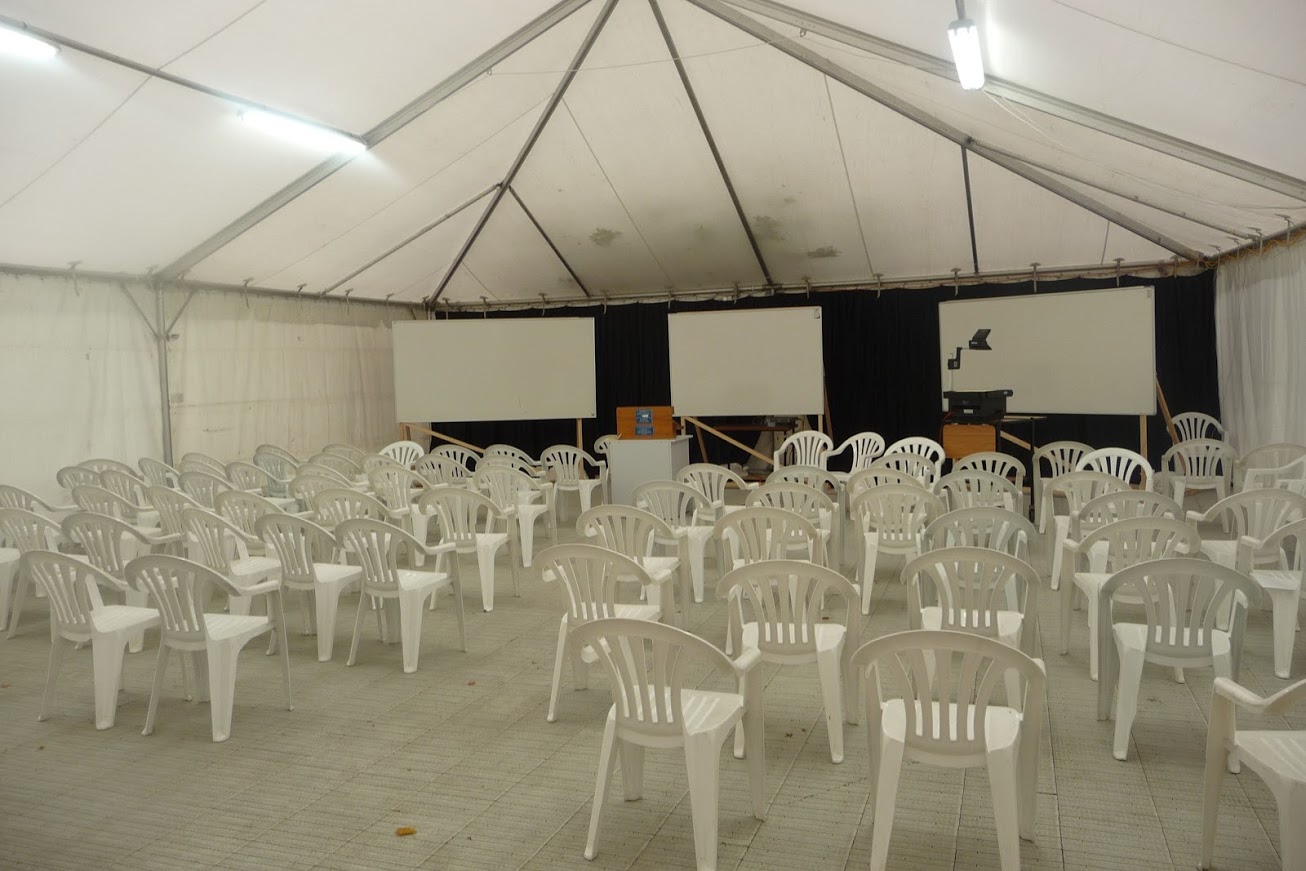
Ben’s building at the university was undamaged but out of commission for a time along with other buildings on campus while structural engineers were investigating. They had to give lectures in tents. Here are some pics of the tent city

There were portaloos everywhere. Christchurch became the portaloo capital of the world. The ones in this next photo were on campus but many people were forced to use a portaloo outside their homes for more than a year as the earthquake messed up all the underground sewage pipes.

There are lots of other stresses that come with an earthquake that people may not anticipate. Homes are damaged and sometimes unsellable which creates years of negotiation with insurance companies. This can be quite stressful. Places of employment are destroyed and jobs lost. In the immediate aftermath shops are damaged and closed. Much like in the early days of the pandemic toilet paper became a hot commodity in Christchurch. Roads and bridges are damaged which affects transport links to and from the city as well as within. This can have an impact on supply of goods. Underground pipes are damaged which affects the water supply and sewage system. None of these things is nearly as bad as death of course but they’re often overlooked and if you commit yourself to living in an earthquake risk zone then you have to commit yourself to dealing with these challenges: loss of water, loss of power, loss of flushing toilets, closed shops, broken supply of goods to the city, loss of jobs, loss of homes or having an unsellable home. Most people who live in earthquake zones have a supply of food and water on hand as well as emergency shelter of some sort and these things will definitely help.
We left Christchurch for Auckland in mid-2011 just after the magnitude 6.3 earthquake on June 13. Fortunately we missed the 6.2 on December 23rd. Here’s a list of all the aftershocks above 5 from February 22nd 2011 to January 15th 2012.
The June 13th earthquake in 2011 was probably one of the last earthquakes I ever felt. But I can still remember what it’s like quite clearly. For me the September 4th earthquake is etched in my memory: It sounds a bit like a freight train crashing through your home. You try to shout to loved ones but can’t hear your own voice because it’s drowned out by the sound of the earth moving. It’s pitch black because the power has gone out and you can hear that glass is smashing on the floor and you’re unfortunately barefoot because it’s the middle of the night and you were fast asleep. You want to go to your children but you can’t walk because you’re being thrown around and you hit your head on something. After that first experience, when every subsequent shake starts you prepare yourself for the worst and your adrenaline peaks, your heart rate goes up and your body is in fight or flight mode. Often the sound comes first, a deep rumbling sound, and if it turns out to be a minor aftershock you can relax but it takes a good 20-30 minutes for your physiology to calm down. I think this is why there were more than the 185 reported deaths from the Christchurch earthquake sequence. The 185 doesn’t include all the heart attacks victims.


 rachel.blog
Leave a reply to ladysighs Cancel reply